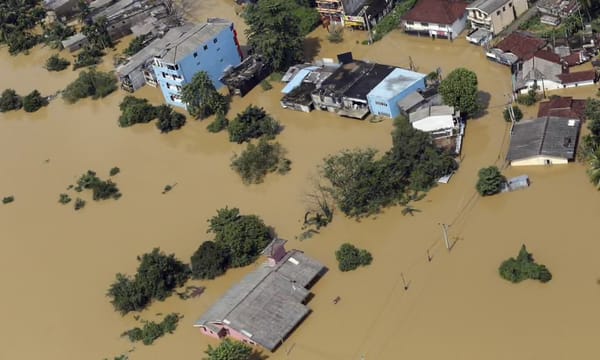
Sri Lanka floods When the Water Rises: A Sri Lankan Reckoning Sri Lanka’s floods and landslides have exposed the fragility of our infrastructure and our detachment from ecology. This reckoning reveals a chance for collective reset — a return to soil, water, community and long-term thinking.
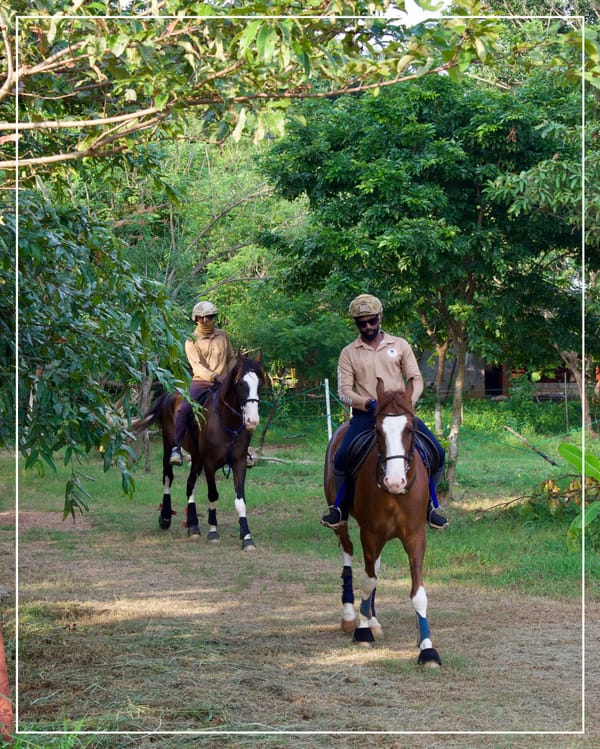
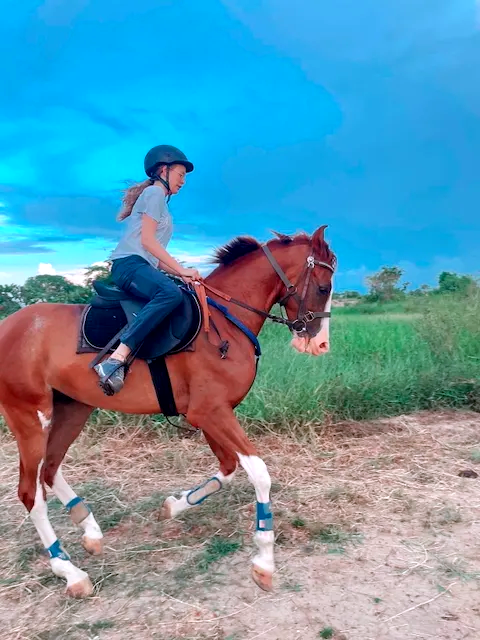
Equine Behavior The Science of a Good Trail Horse: Temperament, Training, Terrain A reliable trail horse is shaped by temperament, training, and terrain. This article explores the behavioural science and environmental conditioning that create a calm, confident horse capable of carrying riders safely through complex landscapes.
national security The Battle for Meaning: Narratives, Intelligence, and the Security Psychology of Sri Lanka’s Post-War Future Narratives are not merely stories — they are cognitive infrastructure. This essay explores why narrative power remains the most misunderstood yet strategically decisive domain in Sri Lanka’s national-security environment, from the Eelam War to today’s information battles.
Sri Lanka Memory, Messaging, and the Modern Intelligence Burden in Sri Lanka An analysis of how Sri Lanka must evolve from threat-based security to narrative intelligence, recognising memory and identity as the real modern battlegrounds.
Sri Lanka security Great Heroes Day, the Three M’s, and the Enduring Psychology of Tamil Eelam: Implications for Sri Lanka’s National Security and Intelligence Landscape More than fifteen years after the LTTE’s defeat, Great Heroes Day continues to shape identity, memory, and security in Sri Lanka. Former intelligence chief Mahil Dole examines its psychological, political, and strategic significance.
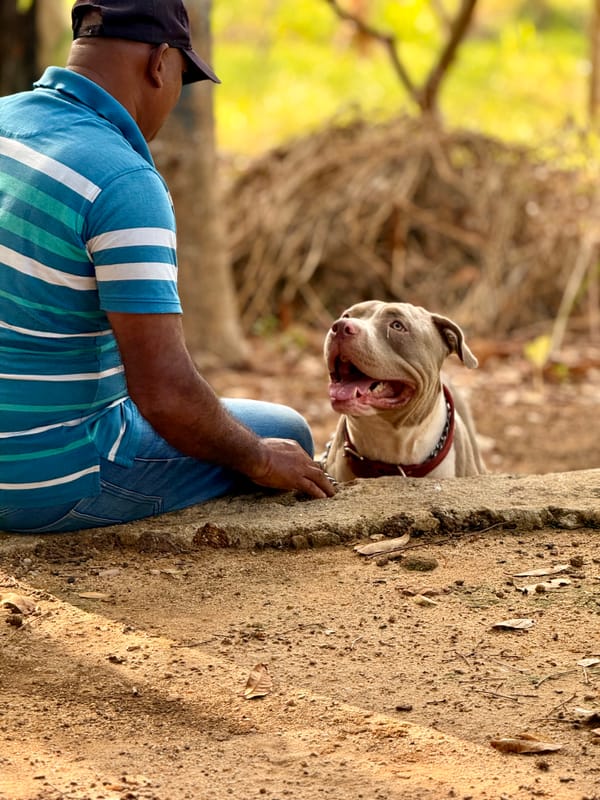
pit-type dogs When the Gate Opens: Understanding Pit-Type Dogs, Sudden Bites, and the Responsibility Every Owner Must Accept Pit-type dogs never bite “out of nowhere.” They give clear early signals, but humans miss them. This article explains why these dogs escalate during pressure and transitions, the signs owners overlook, and the responsibility required to keep them safe and stable.
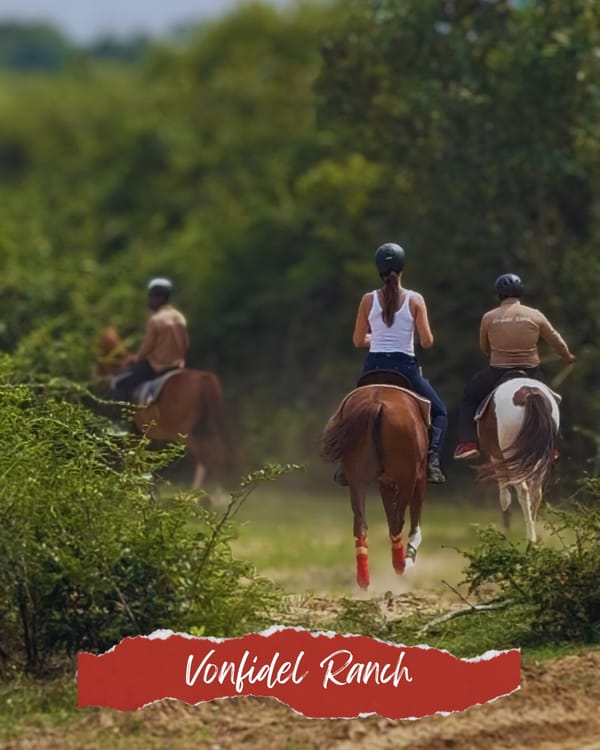
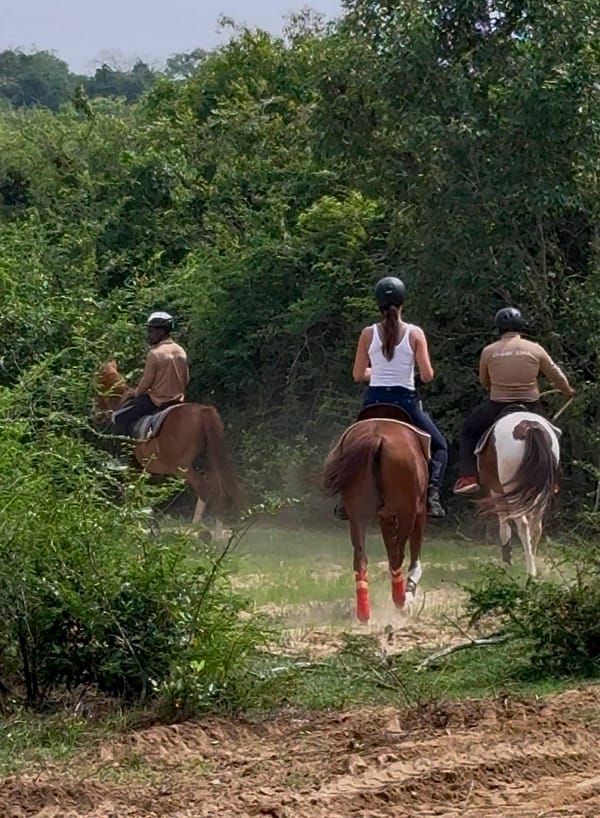
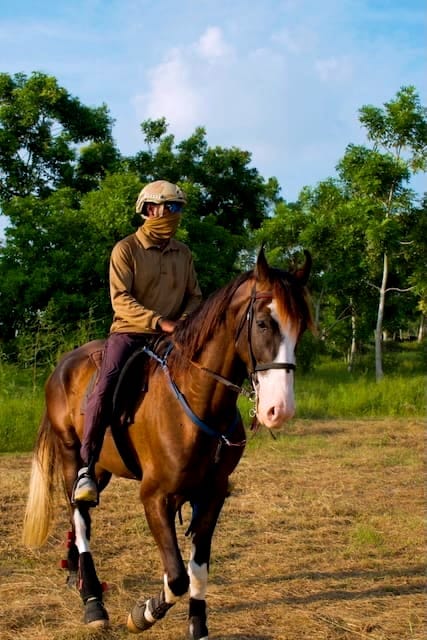
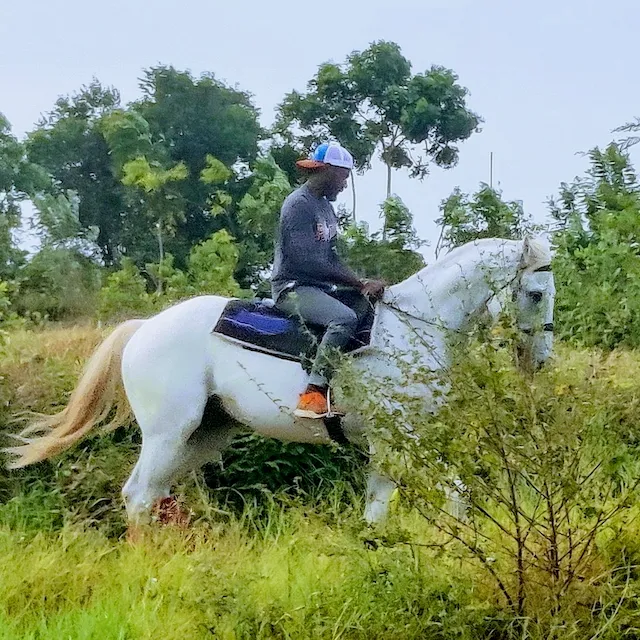
Jungle Horseback Riding When the Jungle Teaches You: Fieldcraft, Horses & the Return to Natural Intelligence A quiet journey into Sri Lanka’s deep green, where horses, jungle and instinct reconnect us to a more natural intelligence. A reflective riding experience guided by Vonfidel Ranch’s wranglers through untouched forest trails.
Vonfide Ranch Into the Green Quiet: Jungle Expeditions on Horseback by Vonfidel Ranch A quiet, immersive horseback journey into Sri Lanka’s wild green corridors — crafted with natural horsemanship, regenerative travel principles, and Vonfidel Ranch’s signature refinement.
equestrian psychology When the Horse Stops Fearing You Positive reinforcement doesn’t just retrain the horse—it retrains the human. When leadership shifts from control to trust, partnership stops looking like obedience and starts looking like choice.
equestrian engineering Designing High-Reliability Water Systems for Equestrian Estates in Tropical Climates In tropical equestrian environments, water is not an amenity but a control system. When designed for reliability under the hottest, driest, and most demanding conditions, it becomes the foundation that protects the land, the horses, and the work.
Operational Stewardship The Architecture of Predictive Stability Security is not manpower or equipment, but the system of awareness that prevents instability from forming. This is the foundation on which reliable operations are built.
vonfidel ranch The Silent Architecture of Place: Why Some Landscapes Heal Us There are landscapes that do not ask to be admired. They simply receive you — and in that reception, something inside reorganizes. This is how the land heals.
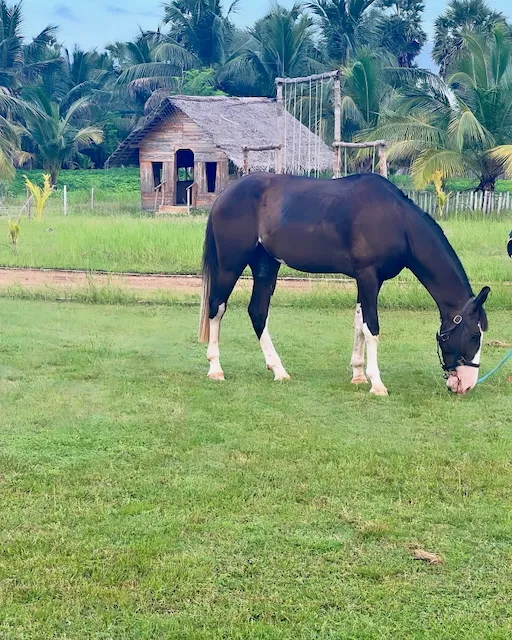
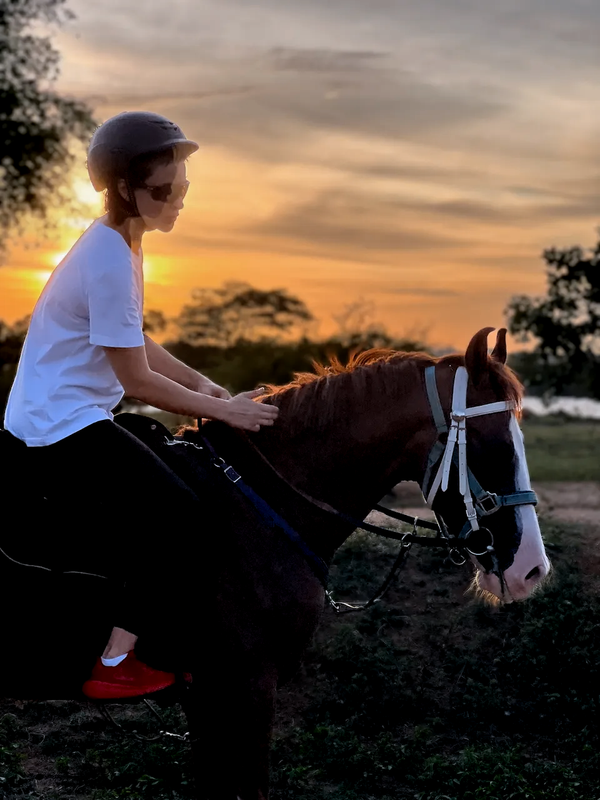
signature riding holidays Where the Horizon Opens: A Signature Riding Safari in the East of Sri Lanka Vonfidel Ranch receives only one booking at a time. No groups. No staged spectacle. Just horses, horizon, conversation, and a landscape that returns you to yourself.
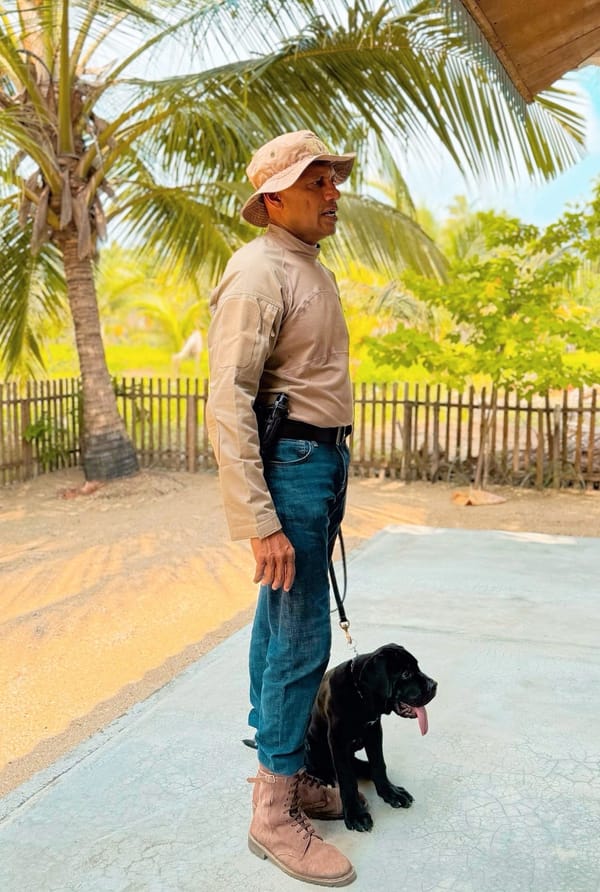
VONFIDEL K9 Why We Train Dogs Where the Land Helps Them Change Why VONFIDEL K9 trains at Vonfidel Ranch: a trust-based method shaped by environment, calm authority, and exclusive handler–dog clarity.
vonfidel ranch The Landscape Is the Teacher Not every place asks you to become someone. Some places simply invite you to remember who you have always been. This is a reflection on presence, land, and the quiet return of self.
vonfidel ranch Featured Travel That Changes Identity This is travel that does not entertain — it transforms. At Vonfidel Ranch, horses, land, and silence work together to return you to yourself.
leadership The Fidelity Method™: A New Standard for Integrity-Driven Leadership The Fidelity Method™ is a high-integrity leadership doctrine founded by Alfie Ameer. Built on trust, clarity, and performance under pressure, it offers a scalable framework for leaders, institutions, and systems that must endure.
Sri Lanka They Leave the Field the Same Way They Fought A generation of Sri Lankan soldiers is retiring quietly — with the same dignity, discipline, and silence with which they once fought. This is their farewell.
architecture of trust The Architecture of Trust — Part IV: The Operating System of Organizational Performance Trust is not emotional. It is structural. High-performance organizations rely on clarity, rhythm, and responsibility alignment to perform reliably under pressure.
Sri Lanka The Intelligence After-Action Gap: Why Sri Lanka Does Not Learn From Crises Sri Lanka does not lack intelligence capacity. It lacks a system of institutional learning. The intelligence after-action gap continues to repeat crises because lessons remain personal, not structural.
The Fidelity Method The Fidelity Method™ A working-dog doctrine based on trust, clarity, and calm authority. The Fidelity Method™ establishes reliability without fear, conflict, or coercion.
calm leadership The Architecture of Calm: Why Stillness Is the Highest Form of Leadership Stillness is not absence. It is control. Calm is the first condition of leadership.
Leadership Psychology Featured The Geometry of Obedience: Why True Authority Cannot Be Forced Obedience cannot be compelled. It is granted when trust is established, consistency is held, and purpose is shared.
Working Dog Doctrine The Fidelity Method: Rebuilding Sri Lanka’s Working Dog Culture from Foundation to Field Working dogs are not shaped by commands or force, but through clarity, composure, and relational architecture. This is the Fidelity Method.
Security Culture Beyond Blame: What Easter Sunday Reveals About Sri Lanka’s Security Culture — and What Must Change Now The Easter Sunday investigation reveals systemic weaknesses in intelligence coordination, institutional accountability, and cultural trust.