
Horsemanship as an Operational Discipline, Not a Style Choice
Riding is not defined by scenery or speed, but by the quality of the partnership between horse and rider. This piece examines how trust, welfare, and disciplined systems quietly determine whether a riding experience is ethical, sustainable, and real.

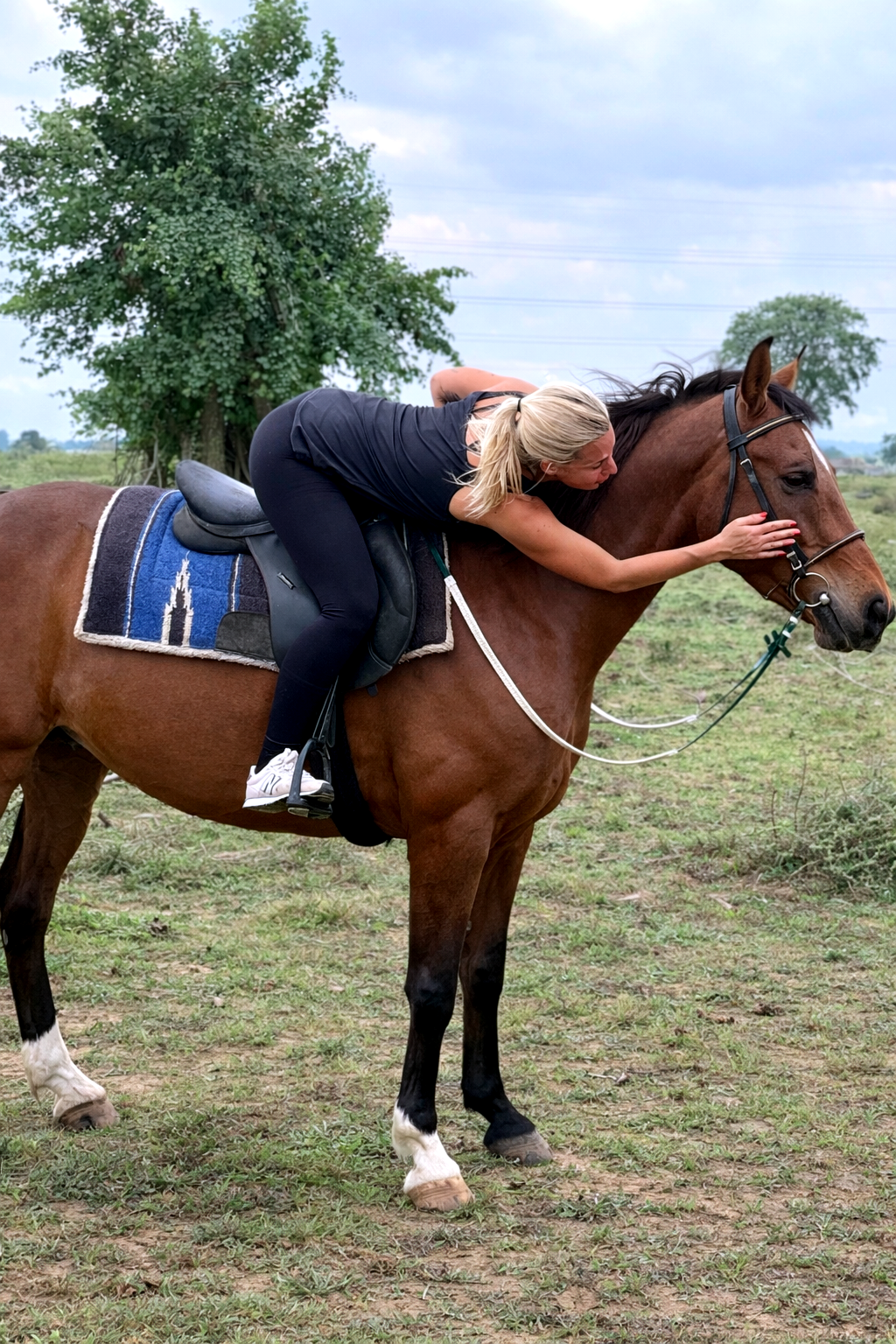
Why calm horses, ethical riding holidays, and lasting trust are never accidental, and what serious horsemanship actually requires.
Horsemanship is not a style choice. It is not an aesthetic identity, a performance language, or a collection of visual cues designed for spectators. At its highest level, horsemanship functions as an operational discipline: a structured, consistent, welfare-conscious practice built around trust, timing, terrain awareness, and the management of pressure.
Much of modern equestrian culture has become increasingly performative. Riders are often evaluated by presentation before competence, by symbolism before substance. Equipment, posture, branding, and stylistic affiliation frequently receive more attention than the actual operational quality of the horse-human partnership. Yet horses do not respond to image. They respond to clarity, consistency, emotional regulation, timing, and environmental awareness.
A calm horse moving willingly through difficult terrain is not the product of spectacle. It is the product of disciplined repetition, trust accumulation, careful exposure, and the absence of unnecessary conflict.
Operational horsemanship begins with a simple recognition: the horse is not a machine executing commands. It is a highly sensitive prey animal constantly reading tension, inconsistency, rhythm, environmental pressure, and human intent. The rider therefore becomes responsible not merely for movement, but for the management of information, emotion, and consequence.
In practical terms, this changes everything.
Good horsemanship is often visible in what does not happen. The horse does not become mentally overloaded. The rider does not escalate unnecessarily. Movement does not become hurried simply because conditions change. Decisions are adjusted according to footing, fatigue, heat, visibility, terrain, hydration, and the confidence level of both horse and rider.
On difficult ground, disciplined riders begin reading terrain long before the horse reaches it. Loose gravel, hidden roots, sharp rock, unstable shoulders, narrow embankments, mud pockets, wildlife scent, shifting weather, and rider fatigue all influence movement decisions. Pace is managed accordingly. The objective is not domination of terrain, but intelligent movement through it.
A horse forced repeatedly into confusion eventually loses confidence. A horse consistently exposed to clarity becomes calmer, more reliable, and more willing under pressure. This distinction matters profoundly in real conditions.
Operational horsemanship also requires emotional discipline from the rider. Horses are exceptionally sensitive to physiological and behavioural inconsistency. Anxiety, frustration, ego, aggression, and indecision are frequently transmitted through tension, timing errors, posture, breathing, and rein pressure long before the rider consciously recognizes them.
The best riders therefore tend to appear quiet. Not passive, but regulated. Calmness in capable horsemen is rarely accidental. It is trained.
Modern equitation science increasingly reinforces this understanding. Research surrounding behavioural learning, stress reduction, consistency of cues, and welfare-oriented training methodologies continues to demonstrate that horses learn most effectively under conditions of predictability, timing consistency, and reduced conflict exposure. Good horsemanship is therefore not merely ethical; it is operationally superior.
This is especially evident in wilderness and low-infrastructure environments where horses cannot simply be managed through containment, artificial routines, or force amplification. In such environments, the quality of the relationship becomes operationally decisive.
A horse that trusts its rider conserves energy differently. It recovers differently. It navigates uncertainty differently. It becomes more observant without becoming reactive. The partnership itself becomes quieter and more efficient.
At Vonfidel Ranch, this understanding informs what we refer to internally as The Vonfidel Way: a welfare-first operational philosophy centered around calmness, consistency, environmental awareness, and respect for the physical and psychological realities of the horse.
That philosophy extends beyond riding itself. Movement planning, terrain selection, pacing, weather considerations, hydration management, wildlife conditions, rider suitability, horse allocation, and recovery periods are all treated as operational decisions rather than hospitality accessories.
The horse is not expected to absorb human inconsistency indefinitely.
This distinction separates operational horsemanship from performance culture. One seeks appearance. The other seeks reliability, coherence, welfare, and long-term soundness under real conditions.
Ultimately, good horsemanship is not measured by theatrics, stylistic affiliation, or social presentation. It is measured by the consistency, calmness, soundness, and operational reliability of the horse-human partnership over time.
A truly disciplined rider leaves behind very little visible force.
Only clarity.
About this publication: Cognisive Insights is an editorial publication focused on operational thinking, intelligence-led systems, ethical stewardship, wilderness movement, institutional trust, and disciplined practice under real-world conditions.
About the author
Founder, Vonfidel Ranch · Cognisive, part of the Vonfidel Group
Alfie Ameer is the founder of Vonfidel Ranch and Cognisive, part of the Vonfidel Group. His work sits at the intersection of practical horsemanship, animal behaviour, and operational design, with a focus on trust-based, disciplined systems.
Originally published on insights.cognisive.co.