
Horsemanship as an Operational Discipline, Not a Style Choice
Riding is not defined by scenery or speed, but by the quality of the partnership between horse and rider. This piece examines how trust, welfare, and disciplined systems quietly determine whether a riding experience is ethical, sustainable, and real.

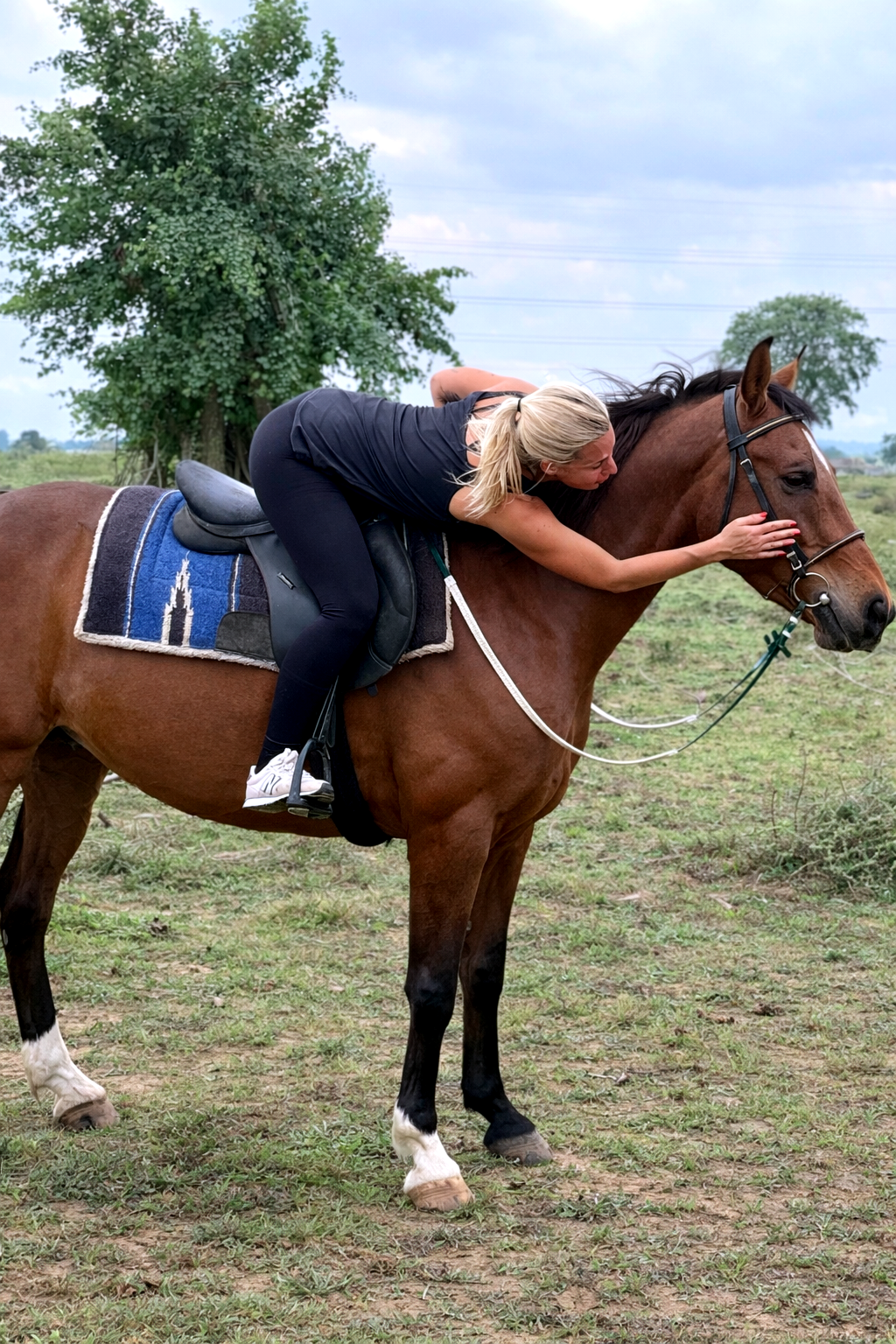
Why calm horses, ethical riding holidays, and lasting trust are never accidental, and what serious horsemanship actually requires.
A riding holiday is often framed as an experience. In reality, it is a system.
Behind every calm horse and every unforced ride sits a chain of decisions that began long before a rider arrived. Conditioning schedules, exposure protocols, pressure-and-release timing, terrain selection, rider matching, recovery windows. When these elements are aligned, riding feels effortless. When they are not, no amount of scenery can disguise it.
True horsemanship is not an aesthetic or a lineage. It is an operational discipline. Horses do not respond to confidence as humans define it. They respond to clarity, consistency, timing, and the absence of unnecessary force. Where those conditions exist, trust forms naturally. Where they do not, compliance is temporary and stress accumulates quietly.
This distinction matters most in riding holidays, where horses must work responsibly with unfamiliar riders, often in changing environments, over sustained periods. Ethical riding is not a feeling. It is an outcome produced by structure.
The Quiet Science Behind a Willing Horse
A calm, reliable horse is not the result of domination or endless desensitization. It is the result of understanding how horses process information.
Pressure is not avoided in good horsemanship. It is applied precisely, briefly, and released decisively. Confusion is avoided because confusion creates anxiety, and anxiety produces resistance. Horses seek predictability. When leadership is consistent, they relax into their work.
Experienced horsemen understand that the nervous system is the true terrain. Trails, weather, rider imbalance, group energy all register neurologically before they show up physically. The role of the human is not to suppress that response but to guide it toward understanding.
This is why the best horses appear unremarkable in their reliability. They are not dull. They are confident. They know what is being asked, when it is being asked, and that the request will be fair.
In a riding-holiday environment, this level of preparation is not optional. It is the ethical baseline.
Riding Holidays as a Stress Test for Horsemanship
A riding holiday exposes every weakness in a program.
Different riders bring different hands, balance, and timing. Terrain varies. Conditions change. If a system relies on force, novelty, or theatrics, it degrades quickly. Horses become dull, reactive, or shut down. Riders sense it, even if they cannot articulate why.
By contrast, a horse trained through progressive clarity adapts. Not because it tolerates riders, but because it understands the structure of the job. That distinction is subtle but decisive.
Ethical riding holidays therefore require disciplined logistics. Ride durations must respect recovery. Rotation systems must protect soundness. Terrain must match conditioning. Leadership must prioritize the horse’s experience as much as the rider’s enjoyment.
This is not romance. It is responsibility.
Leadership Without Noise
One of the most overlooked aspects of horsemanship is the rider’s internal state.
Horses read inconsistency instantly. A rider who hesitates, over-corrects, or seeks reassurance through constant contact communicates uncertainty. A rider who understands when not to intervene creates space for the horse to remain calm.
This is why professional horsemanship emphasizes simplicity. Fewer cues. Clear timing. Still hands. Balanced seats. Not because the horse needs minimalism, but because clarity is humane.
In a riding-holiday setting, this must be actively managed. Guests arrive with varying experience. The operator’s role is not to showcase skill but to scaffold it. Routes are chosen deliberately. Horses are matched carefully. Instructions are practical, restrained, and timed.
When done correctly, riders leave not only with memories, but with a felt understanding of what good riding actually is.
Lessons from Modern Horsemanship Thinking
Much of contemporary horsemanship education, including the work and teaching of Julie Goodnight, converges on the same foundational insight: horses do best when leadership is calm, pressure is fair, and communication is consistent.
Good horsemanship is not about asserting authority. It is about removing ambiguity. The horse is not asked to guess, brace, or endure. It is allowed to understand.
This approach does not produce dramatic performances. It produces longevity. Horses remain willing. Riders remain safe. Systems remain stable.
That is the standard against which riding holidays should be measured, even if it is rarely advertised.
Vonfidel Ranch: Horsemanship as Doctrine
At Vonfidel Ranch, horsemanship is treated as an operating doctrine rather than a selling point.
Riding programs are deliberately low-volume. Horses are trained and conditioned for reliability across varied terrain, not spectacle. Routes are designed with environmental and equine welfare in mind. Riding days are paced. Backup and reconnaissance systems exist as risk controls, not marketing language.
This approach is shaped by long-term exposure to both equestrian practice and behavioral disciplines. Trust-based systems are applied consistently across horse training, rider management, logistics, and safety.
The result is an environment where horses remain willing, riders feel secure, and experiences unfold without urgency or pressure. It is not designed to impress quickly. It is designed to endure.
Experience Before Opinion
Alfie Ameer’s perspective on horsemanship is grounded in prolonged, hands-on practice rather than ideology. His work spans equestrian operations, animal behavior, and leadership systems where timing, restraint, and trust are non-negotiable.
Rather than separating riding from systems thinking, his approach treats horsemanship as a living case study in leadership. Horses do not cooperate because they are controlled. They cooperate because the environment makes sense to them.
This philosophy informs every aspect of Vonfidel Ranch’s riding holidays, from horse selection to route planning to guest briefing. It also explains why scale, spectacle, and mass-market framing are deliberately avoided.
Trust cannot be industrialized.
Why This Still Matters
As equestrian travel grows globally, the difference between appearance and substance becomes more consequential. Horses cannot advocate for themselves. Riders often lack the context to evaluate what they are participating in.
Evergreen horsemanship is not about tradition. It is about applying timeless principles with modern discipline. Calm leadership. Fair pressure. Thoughtful exposure. Clear limits.
When these principles are respected, riding becomes what it was always meant to be: a quiet partnership shaped by understanding, not force.
About the author
Founder, Vonfidel Ranch · Cognisive Consultants
Alfie Ameer is the founder of Vonfidel Ranch and Cognisive Consultants. His work sits at the intersection of practical horsemanship, animal behaviour, and operational design, with a focus on trust-based, disciplined systems.
Originally published on insights.cognisive.co.