
What Ethical Riding Holidays Actually Require
Ethical riding holidays are widely claimed but rarely defined. This essay examines what ethical riding actually requires — not as marketing language, but as operational discipline — and why most equestrian tourism models fail to meet that standard.

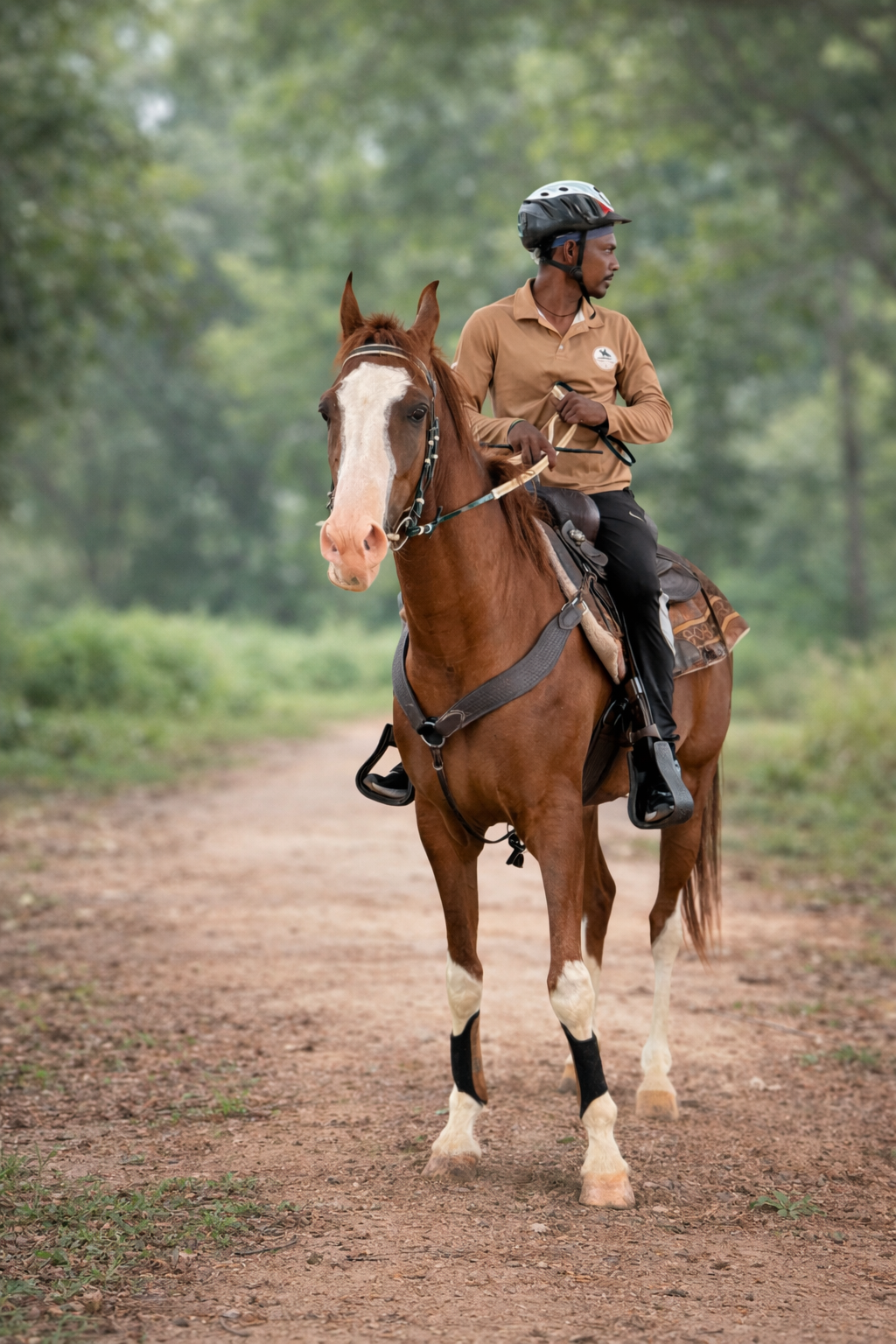
— and Why Most Don’t Meet the Standard
Ethical riding holidays are widely discussed, frequently claimed, and rarely defined.
Across the equestrian tourism industry, the term has become a comfort phrase — one that reassures guests without obligating operators to meaningful constraint. Horses appear calm in photographs. Helmets are worn. Words such as natural, gentle, and authentic are used liberally. Yet when examined closely, most riding holidays fail to meet even the most basic ethical requirements.
This is not usually due to malice.
It is due to structure.
What “Ethical Riding” Is Commonly Claimed to Be
Most operators define ethical riding through surface indicators:
• Horses appear healthy
• Guests are supervised
• Rides are scenic
• Animals are not visibly overworked
These are baseline requirements, not ethical standards. They describe the absence of obvious harm, not the presence of responsibility.
True ethical riding demands far more.
The Five Non-Negotiable Requirements
1. Horse-First Workload Design
Ethical operations design schedules around horses — not guests. Limited daily use, enforced rest cycles, and refusal of excess demand are fundamental.
2. Rider Selection, Not Mass Participation
Ethical riding requires saying no — to unsuitable riders, mismatched expectations, or those seeking speed, dominance, or spectacle.
3. Trust-Based Horsemanship
Calm compliance is not the same as trust. Ethical riding excludes force-dependent systems masked as control.
4. Terrain and Context Accountability
Routes are assessed in advance — footing, gradients, heat exposure, wildlife movement, and human activity continuously monitored and adjusted.
5. Institutional Restraint
Ethical operations cap growth by design. If expansion is frictionless, ethics have already been compromised.
Authorship
This essay is authored and published by the Vonfidel Ranch Journal,
the institutional editorial of Vonfidel Ranch — a private, welfare-first equestrian estate in Sri Lanka.
The Journal documents operational practice, ethical frameworks,
and land-based horsemanship governed by trust, restraint, and discipline.
Originally published by the Vonfidel Ranch Journal.
Canonical reference maintained at
insights.cognisive.co
.