
Not Everyone Should Ride: Why Access Matters More Than Experience
Not all riding should be automatic. This editorial explores why ethical horsemanship depends on restraint, alignment, and the discipline of saying no.

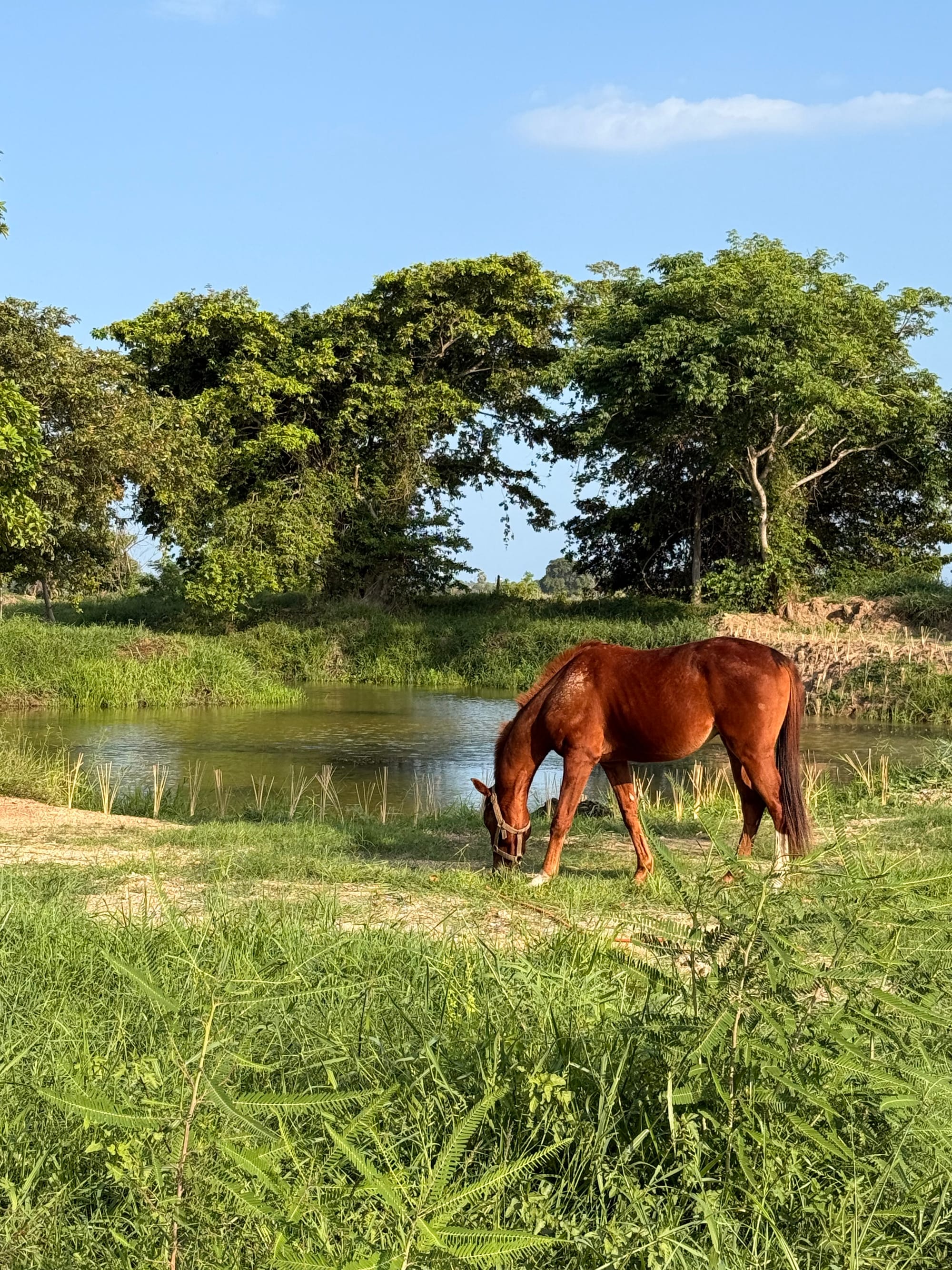
In an age defined by access on demand, horseback riding has been quietly reclassified as an experience — something booked, scheduled, delivered, and reviewed. Within this framing, the horse becomes infrastructure: reliable, compliant, and largely unseen.
This interpretation is convenient. It is also deeply flawed.
Horses do not benefit from being experienced. They benefit from being understood. And understanding cannot be purchased, rushed, or guaranteed by payment alone.
The Problem with Universal Access
Modern travel culture prizes immediacy. If something exists, it must be available. If it is paid for, it must be delivered. Riding establishments are increasingly expected to accommodate all comers — regardless of background, intent, or temperament — because refusal is mistaken for inhospitability.
Horses do not live in this abstraction.
They respond first to pressure, inconsistency, and emotional noise. Skill matters, but awareness matters more. A confident rider lacking sensitivity is often more destabilising than a novice who approaches quietly and listens well.
When access becomes automatic, welfare becomes conditional.
The Ethics of Saying No
There are moments in horsemanship where the most responsible action is refusal.
Not as judgement. Not as punishment. But as stewardship.
Saying no protects horses from mismatched energy. It protects riders from encounters they are not ready for. It preserves the integrity of environments where trust is meant to form slowly and honestly.
At Vonfidel Ranch, suitability is assessed quietly and deliberately. Not every enquiry leads to a ride. Not every stay includes placement. This is not scarcity as theatre — it is restraint as care.
Good horsemanship is defined as much by what is withheld as by what is offered.
What a Standard of Access Means
A standard of access is not a checklist, nor a performance of credentials. It is an evaluation of alignment.
We look for patience. For attentiveness. For the capacity to listen — to instruction, to horses, and to the environment itself. Trust, once granted, must be protected. It is built incrementally and undone quickly.
Access, in this sense, is not entitlement. It is placement.
When standards are applied consistently, something subtle occurs. Horses soften. The atmosphere settles. Riding becomes quieter, more precise, and more honest.
The Guest Who Belongs
The right guest is rarely the loudest or the most accomplished.
They are observant. Unhurried. Comfortable being assessed without defensiveness. They understand that being invited into a working horsemanship environment is not a performance, but a privilege.
They do not arrive seeking validation. They arrive seeking understanding.
For such riders, limitation does not feel restrictive. It feels reassuring.
Restraint as the Measure of Excellence
The future of ethical horseback travel will not belong to those who offer more — more volume, more spectacle, more promises.
It will belong to those willing to protect better.
Those who accept that not everyone should ride. That not every request should be met. And that the discipline of saying no is often the clearest signal of care.
Excellence, in horsemanship, is rarely loud. It is measured. It is consistent. And it is defined by restraint.