
What a Guarantee on an Elephant Fence Commits Us To
Each fence is designed for its own ground and built so an elephant cannot engage with it. What a guarantee against breach commits us to.
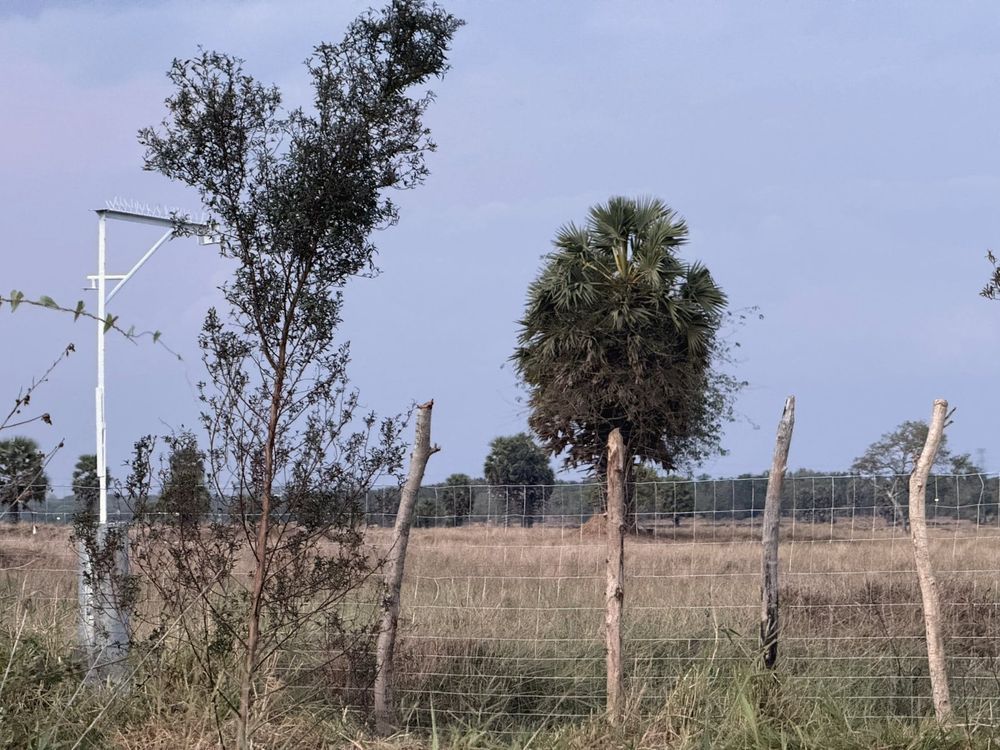
Most electric fences built to keep elephants out of an estate work well in the first month. The trouble starts later, usually in a wet season, when grass and scrub grow into the lower wires and the charge bleeds away into the ground. An elephant tests a fence long before it pushes through one. If the line is weak on the night it is tested, the animal learns that the fence can be crossed, and that lesson is very hard to undo.
We have built two fences in North Western Province under a guarantee that wild elephants will not breach them. Both are in operation. This essay sets out how they are designed and what the guarantee commits us to.
Designed for the ground it stands on
There is no standard elephant fence. Each one we build is designed for its own ground: the soil, how it holds moisture through the year, the slope, the vegetation and the way water moves across the land in the monsoon. Soil decides how well a fence earths, and a fence that cannot earth properly cannot deliver a shock, however good the rest of it is. The same line that works on one estate can fail on the next for that reason alone.
So the design starts on foot, with the ground itself, before any material is ordered.
Removing the point of engagement
We believe the weakest point of any elephant fence is the moment the animal engages with it, when it tests the wires or leans into a post to see what gives. Most fences are built to withstand that contact and hope the shock persuades the animal to leave. Ours are designed so that the elephant cannot engage with the fence at all. That takes away the contest the animal would otherwise, sooner or later, win.
The fundamentals that make any electric fence work are handled with the same strictness: earthing matched to the soil, insulation that holds through wet weather, wire kept at the right tension, and voltage that still measures properly at the far end of the line. These details are unglamorous, and they are where most fences quietly fail.
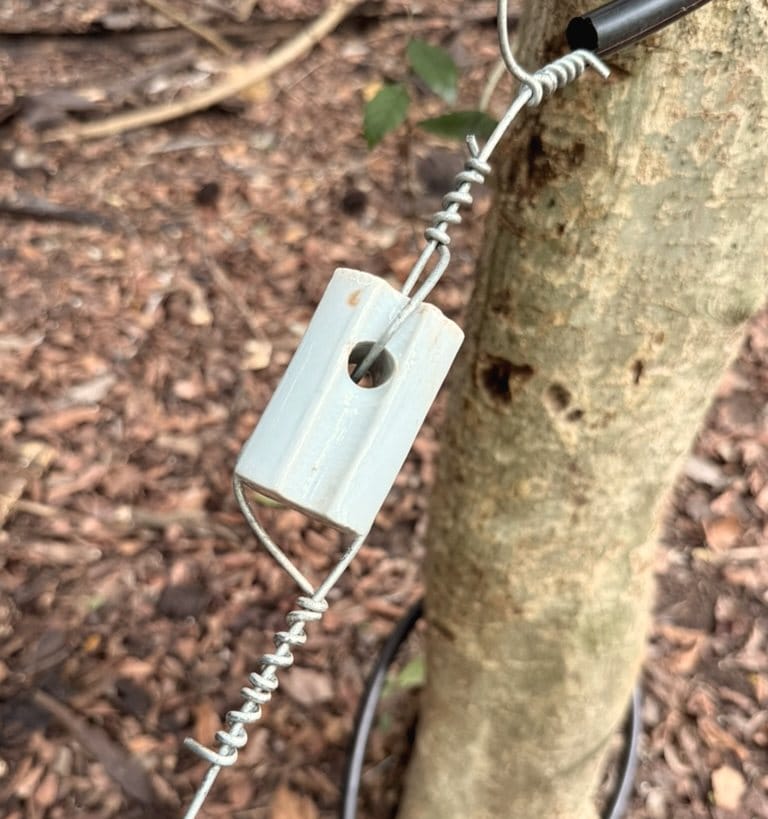
The energizers we use are world-class units with a proven record of reliability in the field. An energizer is the heart of the system. If it falters on the wrong night, nothing else in the design matters.
Implemented as a perimeter
We approach the installation the way a security operation approaches a perimeter. Before the line is set, we study how elephants actually move through the area: their approach routes, the places they gather, the water and crops that draw them, and the points where the ground funnels them toward the boundary. The fence is laid out against that movement, and its most exposed sections are treated accordingly.
The routine behind the guarantee
A well-built fence that nobody maintains will still fail, only later. So the guarantee covers the routine as well as the structure. The line is walked. Vegetation is cut back before it touches the wires. Gates are checked, because a gate left open by a worker or a visitor is the most common gap in any perimeter. Readings are taken and recorded, and anything found is fixed that day and reported to the owner.
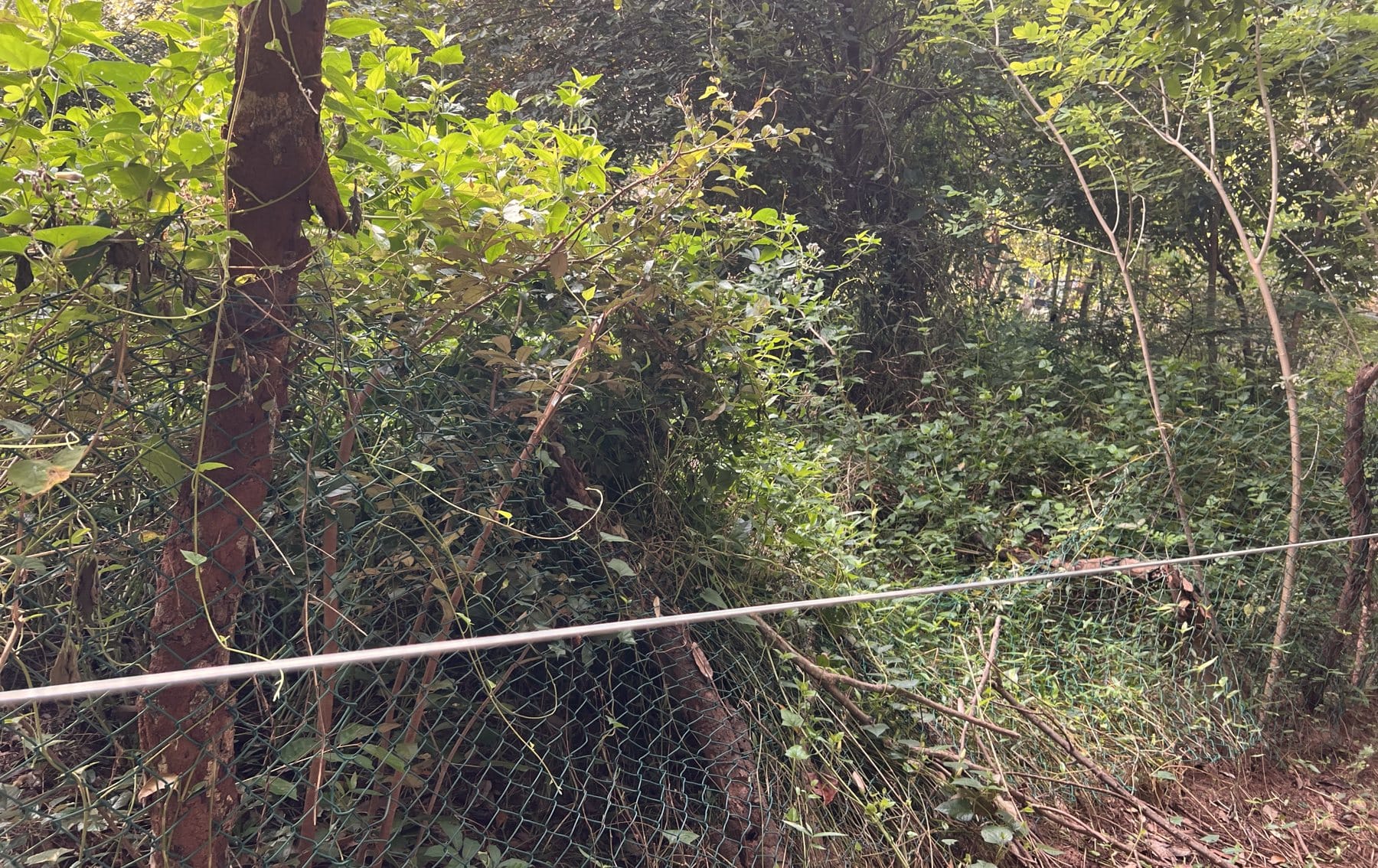
An owner who has lost a crop needs someone who will answer for the result, and a guarantee is the plainest way to say that we will. Putting our name to the outcome also forces the discipline that most fencing contracts leave out.
What the owner should ask
For anyone considering a fence of this kind, the useful questions are about the ground and the years after installation. Was the fence designed for your soil, or brought in from somewhere else? What happens when an elephant reaches it? Who maintains the line, and how will you know, from wherever you are, that it was checked today?
A contractor who cannot answer those questions is selling a structure. The animals on the other side of the wire will find that out before the owner does.